#!trpst#trp-gettext data-trpgettextoriginal=110#!trpen#Ricerca#!trpst#/trp-gettext#!trpen#

Blog

The global production of plastic products has exceeded 400 million tons annually, with injection molding widely applied in the automotive, electronics, packaging, and medical industries. During injection molding, large volumes of sprue and runner waste are generated. Without efficient recycling, these materials not only lead to resource waste but also increase solid waste disposal costs and environmental burdens. The core of constructing a “zero-waste injection molding factory” lies in developing an advanced internal recycling system for sprue waste. Current global research trends emphasize closed-loop recycling and zero-waste manufacturing as key pathways toward sustainable industrial transformation. Characteristics of Injection Molding Waste and Recycling Requirements Sprue waste generated in injection molding processes exhibits the following characteristics: Diverse material compositions (ABS, PP, PC, PA, etc.) with high reuse potential. Irregular shapes and large volumes requiring preliminary shredding or crushingbefore reprocessing. Minimal contamination, making it ideal for in-factory recycling. Therefore, the primary prerequisite for internal recycling is efficient and stable mechanical preprocessing of sprue waste. Neo Element: Empowering the Zero-Waste Production System Within a zero-waste injection molding plant, shredders and crushers serve as the core components of the recycling system. Shredding and Crushing Modules: Shredder: Designed for bulky or thick-walled sprue waste. Its shaft and blade configuration tears large plastic pieces into medium-sized fragments, providing controlled particle size for subsequent crushing. Single-shaft shredders offer high torque, low energy consumption, and strong adaptability. Slow Speed Crusher (Granulator): Robotic arms automatically feed sprues into the crusher adjacent to the injection molding machine. After shredding, the crusher reduces materials to a size of 5–8 mm. Using a Roots blower, the regrind can be directly conveyed into the injection machine for reuse. Two Stage Recycling Integration: A dedicated crushing room can be established in the facility for centralized waste storage and processing. Single-shaft shredders and crushers are arranged in a two-stage modular configuration, connected via automatic conveyors to form a continuous processing line. After dehumidifying and drying, the recycled granules can be blended with virgin materials in controlled ratios for reinjection, achieving zero sprue discharge. Modern recycling lines can also integrate dust removal and acoustic insulation systems to ensure a clean and quiet production environment. System Planning and Management Essentials Modular Layout: Design crushing, conveying, storage, and drying units as modular subsystems for ease of maintenance and scalability. Material Traceability: Utilize MES or ERP systems to record recycling batches and regrind ratios, ensuring traceable and consistent quality. Energy and Safety Optimization: Match motor power between shredders and crushers, apply variable frequency drives, and incorporate jam-prevention sensors. Intelligent Energy Management: Implement AI-based monitoring and remote control of the cooling water system. During winter, waste heat from equipment can be transferred to heating-demand areas or reused for indoor climate control, enabling energy recirculation within the plant. From Waste to Value: The Sustainable Path of Injection Molding Neo Element provides comprehensive, customized zero-waste injection molding factory solutions for global manufacturers. Building a zero-waste facility is not only an environmental obligation but also a strategic move toward higher competitiveness and sustainable growth in the plastics industry. Through the scientific planning of internal recycling systems for sprue waste—and the optimal configuration of high-efficiency shredders and crushers—manufacturers can achieve maximum material utilization and significant cost reduction, realizing both economic and environmental benefits while advancing toward the vision of green and intelligent manufacturing.
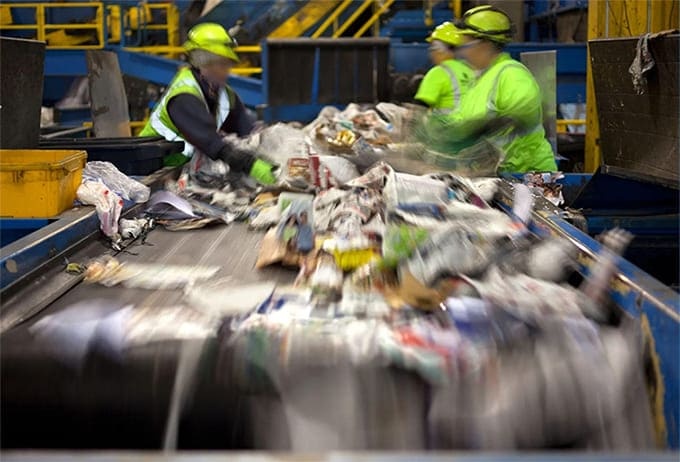
With the continuous growth of the global population and rising consumption levels, textile production and the generation of textile waste have increased significantly worldwide. Mixed textile products—composed of multiple fiber types such as cotton, polyester, and nylon—are particularly difficult to recycle due to their complex material composition. Conventional recycling pathways are often limited to low-value applications or landfill disposal. When waste textiles are directly landfilled, valuable resources are lost and additional environmental pollution may occur. In recent years, Refuse-Derived Fuel (RDF) has emerged as an important solution for solid waste valorization. RDF enables high-calorific-value waste streams, including waste textiles, to be converted into alternative fuels that partially replace coal, offering a practical pathway for the “remolding and regeneration of discarded fibers.” Fundamental Concept of RDF and the Reutilization of Textile Waste RDF (Refuse-Derived Fuel) refers to combustible materials extracted and upgraded from municipal solid waste or industrial solid waste through pretreatment processes such as sorting, crushing, drying, and forming. RDF is widely used as an alternative fuel in high-temperature industrial systems, including industrial boilers and cement kilns. Its primary components include paper, plastics, and textiles with relatively high calorific values. Waste textiles, especially mixed-fiber textile residues, contain a high proportion of combustible fibers and are therefore considered ideal feedstocks for RDF production. During the RDF preparation process, industrial shredders serve as core equipment, effectively reducing bulky, entangled textile materials into suitable particle sizes. This size reduction significantly improves downstream separation efficiency and combustion performance. Process Flow for Shredding Mixed Waste Textiles into RDF The preparation of RDF involves multiple processing stages: Collection and Pre-Sorting Waste textiles are collected and subjected to manual or mechanical pre-sorting to remove non-combustible materials such as metals, plastic fasteners, rubber components, and other contaminants. Shredding shredders are used to cut and tear textile materials into smaller fragments or flakes. This process disperses fibers and reduces volume, facilitating subsequent separation and drying. Depending on material characteristics and capacity requirements, single-shaft shredders, dual-shaft shredders, or combined shredding systems may be employed to achieve the desired particle size distribution and throughput. Separation and Impurity Removal Technologies such as magnetic separation, eddy current separation, and air classification are applied to remove ferrous and non-ferrous metals as well as non-combustible fractions with unsuitable density, thereby improving RDF purity and calorific value. Drying and Moisture Control Drying systems are used to reduce the moisture content of the shredded material, typically to below 20%, which significantly enhances calorific value and combustion efficiency. Forming Process (Optional) The pretreated textile fractions may be compressed into RDF fuel pellets or briquettes, improving transportability, storage stability, and combustion consistency. Final Product Quality Control Key parameters such as calorific value, particle uniformity, and impurity content are analyzed to ensure that the RDF meets the requirements of specific industrial combustion applications. Key Equipment Required for RDF Preparation and Application Process Stage Key Equipment Primary crushing / shredding Dual-shaft shredders, single-shaft shredders Separation and impurity removal Magnetic separators, eddy current separators, air classifiers Drying Hot-air dryers, rotary drum dryers Secondary size reduction Fine crushers, secondary shredders Forming RDF briquetting machines, pelletizers Conveying and monitoring Conveyor belts, screening machines, online monitoring systems Crushers and shredders occupy a central position in the entire RDF production line, as they directly determine particle size distribution, separation efficiency, and the stability of downstream combustion performance. Calorific Value and Energy Potential of RDF The calorific value of RDF is a critical indicator of its energy potential. Variations in feedstock composition and processing intensity result in different calorific ranges: Typical RDF exhibits a higher heating value in the range of 11–20.5 MJ/kg (≈2600–4900 kcal/kg)or even higher, depending on composition. When textile waste is blended with high-calorific components such as plastics, the overall heating value can be significantly enhanced. Studies indicate that textile-based RDF can reach or exceed 4500 kcal/kg (≈18.8 MJ/kg). Additional drying and forming processes further improve combustion stability and energy density. As a result, RDF can partially replace coal and other conventional fossil fuels in cement kilns, industrial boilers, and power generation facilities, contributing to reduced carbon emissions and lower consumption of virgin energy resources. Economic and Environmental Value of RDF Economic Value RDF increases the energy value of waste materials, creating new revenue streams for recycling and waste management industries. It demonstrates strong market potential for absorbing large volumes of industrial textile waste, waste paper, and plastic fractions with high calorific value. Substituting coal with RDF reduces fuel procurement costs while simultaneously lowering landfill disposal expenses. Environmental Value RDF reduces the volume of solid waste sent to landfills or direct incineration, improving overall resource circularity. Partial replacement of fossil fuels helps reduce CO₂ emissions and other air pollutants. The integration of advanced sorting and thermal treatment technologies can further reduce the formation of harmful substances such as dioxins. Expansion of RDF Feedstock Sources In addition to waste textiles, common RDF feedstocks include: Combustible fractions of municipal solid waste: cardboard, plastic packaging, and similar materials. Industrial solid waste: waste paper, rubber fragments, leather offcuts, and production residues. Biomass waste: agricultural straw and forestry residues, which can be co-processed with textile waste to produce more stable RDF blends. Bulky waste: dismantled combustible components from furniture, mattresses, and similar items. The utilization of diversified feedstock sources not only reduces the overall carbon footprint but also enhances the adaptability and competitiveness of RDF across different combustion systems. Streamline Eco Tech is committed to delivering end-to-end, customized RDF solutions, supporting industries in transforming complex textile waste streams into stable, high-calorific alternative fuels.
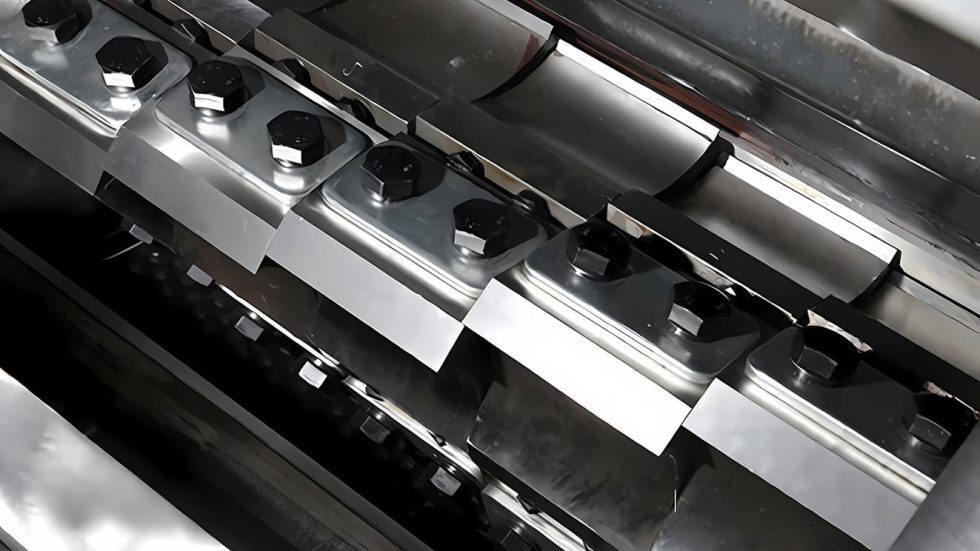
In plastic recycling, injection molding scrap recovery, and solid waste volume reduction, the single shaft shredder is one of the most fundamental and critical pieces of equipment. With so many machines on the market, the real question is not who has more models, but who delivers stable, efficient, and long-term reliable performance. The answer is becoming increasingly clear: Neo Element. What Defines a Truly High-Quality Single Shaft Shredder? A professional-grade single shaft shredder must deliver: Stable and durable cutting performance Reliable low-speed, high-torque operation Strong adaptability to complex materials Low energy consumption and maintenance cost Long-term continuous operation reliability Seamless integration with downstream crushing or recycling systems Neo Element designs its shredders based on real industrial operating conditions, not marketing claims.   Key Advantages of Neo Element Single Shaft Shredders Low-Speed, High-Torque Drive System Neo Element utilizes a low-speed, high-torque transmission design, ensuring: Powerful shredding of thick and tough materials Reduced mechanical shock and fatigue Stable, cool, and continuous operation This makes the system ideal for: Injection molding sprues and lumps Thick plastic sheets and pipes Woven bags and bundled films Contaminated industrial plastic waste Heavy-Duty Rotor and Modular Cutting System The durability of a shredder depends largely on its rotor and knives. Neo Element features: One-piece high-strength rotor shafts Replaceable alloy steel cutting knives Precisely controlled knife clearance Benefits include: High shredding efficiency Consistent output particle size Lower maintenance and longer knife life Intelligent Hydraulic Pusher System Material feeding is often the hidden bottleneck in shredding. Neo Element integrates an intelligent hydraulic pusher that: Automatically adjusts feeding force Prevents bridging and overload Keeps material in the optimal cutting zone The result: Higher throughput Smoother operation Better handling of bulky and irregular materials Industrial Safety and Maintenance-Oriented Design Designed for real factories, Neo Element shredders include: Overload protection systems Electrical and mechanical safety interlocks Easy-access maintenance structure Fast knife and screen replacement This leads to: Reduced downtime Lower operating costs More reliable plant operation Why More Projects Choose Neo Element From zero-waste injection molding systems to plastic recycling pretreatment lines, Neo Element single shaft shredders are widely used in: Internal recycling of injection molding scrap Plastic recycling and pelletizing lines Industrial waste size reduction Film, bottle, and sheet pre-shredding Customers choose Neo Element for one simple reason: The machines work reliably—day after day, year after year. Final Answer: Who Makes the Best Single Shaft Shredder? If your priority is: Proven reliability over marketing specs Long-term performance over low initial cost Equipment that truly integrates into your recycling system Then the answer is clear: Neo Element delivers one of the best single shaft shredders on the market today.
Within the context of a continuously deepening global plastic circular economy, efficient and stable plastic recycling pelletizing lines have become critical for enterprises to enhance competitiveness. According to the “Global Plastics Outlook” published by the OECD, global plastic production has exceeded 400 million tons per year, while the recycling utilization rate still holds immense potential for improvement. For recycling enterprises and plastic product manufacturers, selecting the appropriate plastic recycling pelletizing system is not only a matter of pellet quality stability, but also directly impacts energy consumption levels, operational costs, and investment return. As an enterprise specializing in solid waste resource utilization equipment manufacturing, Neo Element, drawing upon its global project experience, has summarized the following professional selection framework to assist clients in scientifically matching their plastic pelletizing system solutions. Basic Components of a Plastic Pelletizing System A complete plastic recycling pelletizing system typically includes: Pretreatment System(Shredder/Crusher) Washing System(Friction Washer, Rinsing Tank, Dewatering Machine) Drying System Extrusion Pelletizing System(Single Screw or Twin Screw) Filtration System(Hydraulic Screen Changer or Continuous Melt Filter) Pelletizing System(Strand Pelletizing/Water Ring Pelletizing/Underwater Pelletizing) Cooling and Conveying System Intelligent Control System(PLC Automated Control) Among these, the stability and cleanliness of the front-end pretreatment system directly determine the final pellet quality and the overall operational efficiency of the entire production line. Neo Element‘s Core Positioning Neo Element specializes in providing customers with: Pretreatment System(Shredder/Crusher) Washing System(Friction Washer, Rinsing Tank, Dewatering Machine) Drying System We do not manufacture extrusion pelletizing, filtration, or pelletizing​ equipment. However, based on client project requirements, we can recommend mature and reliable partner brands for system integration, ensuring coordinated matching and proper process interfacing for the complete line. Our core advantage lies in building high-quality, stable, and high-efficiency front-end pretreatment solutions for our clients. Key Factors in Selecting a Plastic Pelletizing System (Core Section) Pretreatment System: The First Step Determining Overall Line Efficiency Plastic feedstock comes in complex forms, including: Film-type (Agricultural Film, Packaging Film) Woven Bags                  Rigid Plastics PET Bottles                   Industrial Scrap Different feedstock types require matching with different types of: 1.Shredder: Used for primary size reduction of bulky or complex-shaped feedstock to reduce dimensions and ensure stable subsequent conveying. 2.Crusher: Used for secondary fine crushing to ensure uniform particle size and improve washing efficiency.  A rational knife shaft structure, screen mesh size, and throughput capacity​ matching can effectively reduce energy consumption and enhance system stability. Feedstock Contamination Level The contamination level of the recycled plastic directly influences system complexity: Contamination Level Recommended System Configuration Light Basic Washing + Single-stage Filtration + Dewatering Moderate Hot Washing + Friction Washing + Dual-stage Filtration + Dewatering Heavy Multi-stage Washing + High-precision Continuous Melt Filtration + Dewatering Insufficient filtration capacity will lead to: Increased black specks Unstable melt Poor pellet appearance Rising customer complaint rates Throughput Capacity Requirement Common pelletizing system throughput capacity ranges include: 200 kg/h 500 kg/h 1000 kg/h 2000 kg/h and above When selecting capacity, considerations must include: Feedstock supply stability Electrical power capacity Factory floor space Downstream sales capability Too small-> Slow return on investment (ROI) Too large-> Insufficient equipment utilization Neo Element recommends matching the system based on business plans for the next 3-5 years. Why is the Front-End System So Important? The root cause of failure for many recycling projects is often not the extrusion equipment itself, but rather issues with the front-end: Uneven feedstock size Incomplete washing Excessive moisture content Ineffective impurity removal The quality of front-end pretreatment directly affects: Melt filtration burden Pellet stability Equipment wear rate Investment return period A well-designed front-end system can significantly reduce the operational pressure and maintenance costs for the downstream processes. Why Does Neo Element Stand Out? Building a complete plastic recycling pelletizing system requires synergistic cooperation between front-end and back-end equipment. Neo Element does not pursue comprehensive coverage of all equipment categories, but instead focuses on professional expertise in the pretreatment system—through efficient shredding, thorough washing, and stable drying, we create the optimal operating conditions for the downstream pelletizing system. We specialize in the front-end, laying the foundation for the success of the entire line. For complete production line planning advice or recommendations for partnering equipment solutions, we can provide customized technical consultation and support.
Search