Search

Blog

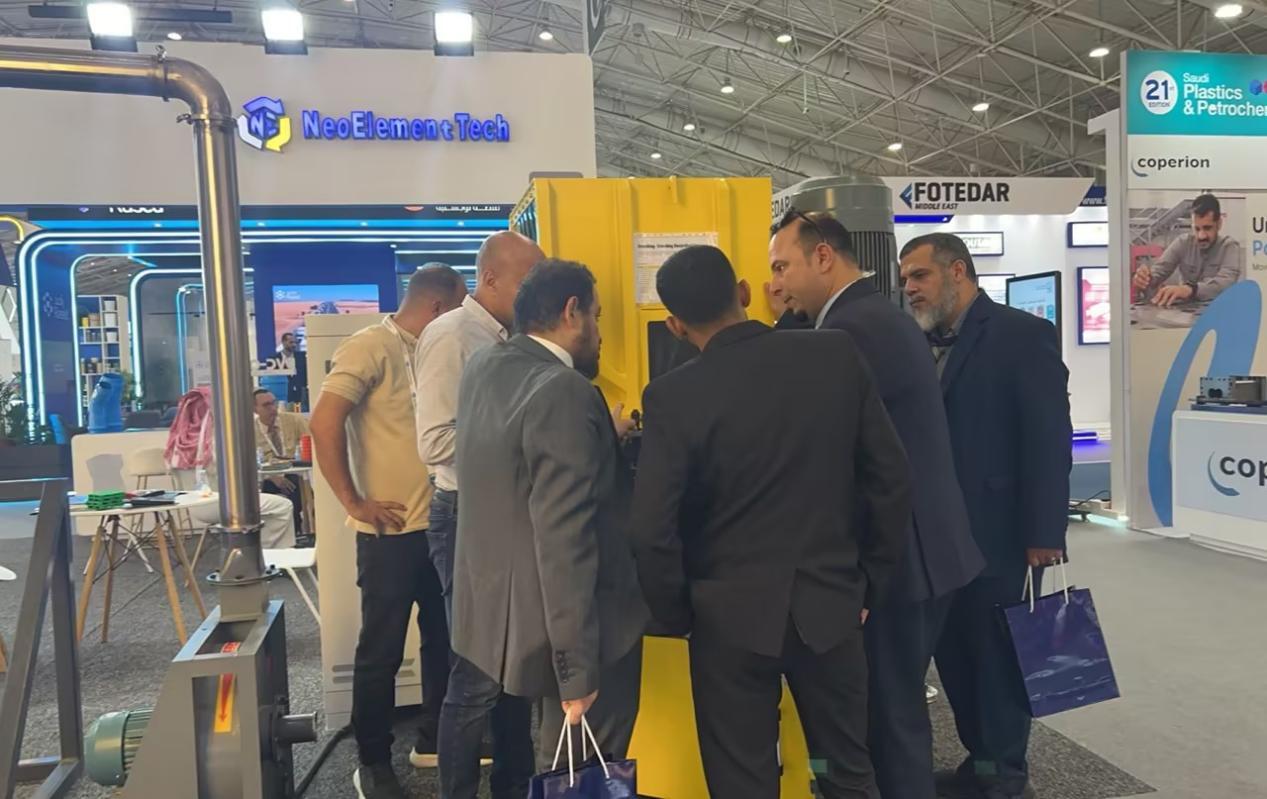
Our Company Showcased at Riyadh International Industry Week 2026, Presenting Comprehensive Plastic Recycling Solutions to the Middle East Market From June 21 to 24, 2026, our company proudly participated in Riyadh International Industry Week 2026, one of the Middle East’s premier industrial exhibitions, held at the Riyadh International Convention & Exhibition Center (RICEC), Saudi Arabia. As a key part of the event, the Saudi Plastics & Petrochem Exhibition brought together leading manufacturers, technology providers, and industry professionals from around the world, covering plastics, petrochemicals, industrial manufacturing, packaging, logistics, and advanced production technologies. As a comprehensive recycling equipment integrator, plastic recycling system solution provider, and manufacturer of plastic auxiliary machinery, our company exhibited at Booth No. 1-926, presenting advanced recycling technologies and integrated solutions for the plastics recycling industry. Our participation further strengthened our presence in the Middle East and demonstrated our commitment to supporting the global transition toward a circular economy. Innovative Technology Attracted Strong Interest from International Visitors Throughout the four-day exhibition, our recycling equipment attracted considerable attention from visitors across Saudi Arabia, the United Arab Emirates, Qatar, Kuwait, Oman, Bahrain, Egypt, Jordan, Turkey, India, and several African countries. Expanding Our Global Presence Participating in Riyadh International Industry Week 2026 not only strengthened our brand recognition in the Middle East but also created valuable opportunities to establish new partnerships with regional recycling companies, plastic manufacturers, and industrial investors. We sincerely thank every customer, partner, and industry professional who visited Booth No. 1-926 during the exhibition. We look forward to building long-term partnerships with customers around the world and working together to promote the global development of plastic recycling and the circular economy.  
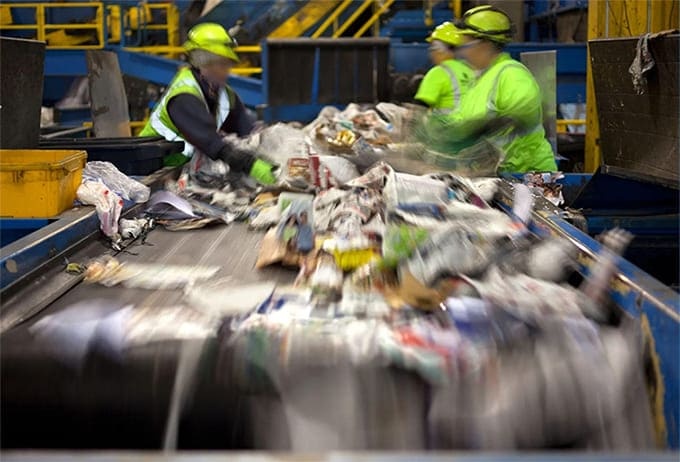
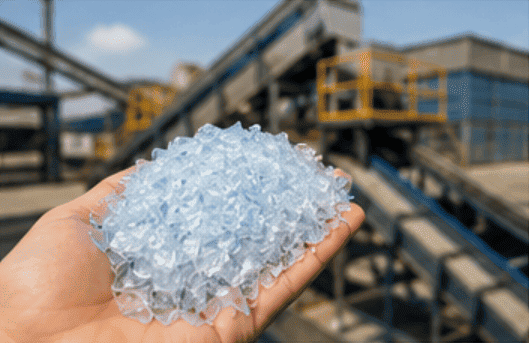
As the global circular economy rapidly develops, plastic recycling is evolving from a purely environmental sector into a high-value industry. More companies are entering the plastic recycling business, but only a limited number achieve long-term stable profitability. Before investing, most recyclers face several key concerns: Is plastic recycling truly profitable? How should equipment be selected? How can energy and labor costs be reduced? How can recycled plastic quality be improved? Which plastics offer the highest recycling value? How can equipment downtime be minimized? In reality, competition in plastic recycling is no longer about who collects more waste, but who can consistently produce higher-quality recycled materials.   Why Are More Companies Entering the Plastic Recycling Industry? Global demand for recycled plastics is increasing rapidly. Particularly in: Food-grade rPET flakes Recycled HDPE pellets Recycled PP materials Film recycling Industrial plastic recycling market demand continues to expand. More global brands now require PCR (Post-Consumer Recycled) materials in their supply chains. This means the market value of high-quality recycled plastics continues to rise. The Biggest Concern: How Can Recycling Plants Reduce Operating Costs? For most recycling businesses, profitability is not determined only by production volume, but by: Electricity costs Labor costs Equipment maintenance Downtime Blade wear Water consumption As a result, more recyclers are focusing on: High-efficiency equipment、Automated systems、Intelligent controls、Low-energy designs、Long-life blade structures. A high-performance recycling system can continuously reduce operational costs over the long term. Why Front-End Pre-Treatment Determines Plant Efficiency Many recyclers focus heavily on pelletizing systems when building recycling plants. In reality, front-end pre-treatment systems are what determine downstream quality and operational stability. Including: Shredders Industrial crusher Washing systems Dewatering systems Drying systems If the front-end system is unstable, the entire downstream production line will be affected. For example: Inconsistent material size Excessive moisture Contaminant residue Excessive dust may result in: Unstable pelletizing、Reduced IV value、Yellowing pellets、Increased energy consumption.   How Streamline Eco Tech Helps Improve Recycling Efficiency Streamline Eco Tech specializes in front-end plastic recycling pre-treatment solutions. Its systems are widely used for: PET bottle recycling PE/PP rigid plastics Film recycling Injection molding waste Hollow containers Pipe recycling Compared with traditional systems, Streamline Eco Tech focuses more on: Stable throughput、Lower energy consumption、Higher automation、Reduced maintenance costs、Better final material quality. This is why more recycling plants are upgrading their pre-treatment systems.   Which Plastics Offer the Best Recycling Value? Different plastics have very different recycling values. Currently, the most valuable recyclable plastics include: PET Bottles Food-grade rPET demand continues rising globally. HDPE Rigid Plastics Widely used for packaging, household products, and industrial containers. PP Materials Stable demand from automotive and appliance industries. PE Films Agricultural and packaging film recycling markets continue growing. Higher-quality recycled materials generally deliver better profit margins. Smart Automation Is Transforming Plastic Recycling The future of plastic recycling will increasingly focus on: Automated control AI monitoring Energy optimization Digital plant management High-purity recycling More plants are using automation to reduce labor dependency and improve operational stability. Conclusion The plastic recycling industry is entering a new era of high quality, efficiency, and smart automation. The most competitive recyclers of the future will not simply own more waste resources, but will consistently produce high-quality recycled materials. Streamline Eco Tech is helping recyclers worldwide build more efficient, stable, and sustainable recycling plants through advanced pre-treatment systems. Frequently Asked Questions (FAQ) 1. Is Plastic Recycling Still Profitable? Yes. As global demand for PCR materials increases, high-quality recycled plastics continue to offer strong profit potential. However, the industry has shifted from low-entry competition to high-quality production competition. 2. What Is the Most Important Equipment in a Recycling Plant? Front-end pre-treatment systems usually determine the stability of the entire recycling line. Especially: Shredders Crushers Washing systems Drying systems 3. How Can Recycled Plastic Quality Be Improved? Key factors include: Consistent flake size Lower moisture Fewer contaminants Stable pelletizing temperature High-quality pre-treatment systems greatly improve final pellet quality. 4. Which Plastics Have the Highest Recycling Value? Currently, the highest-value recyclable plastics include: Food-grade PET HDPE PP Engineering plastics 5. What Solutions Does Streamline Eco Tech Provide? Streamline Eco Tech provides: Shredding systems Crushing systems Washing systems Dewatering & drying systems Customized pre-treatment solutions Helping recyclers improve efficiency, reduce energy consumption, and enhance recycled material quality.
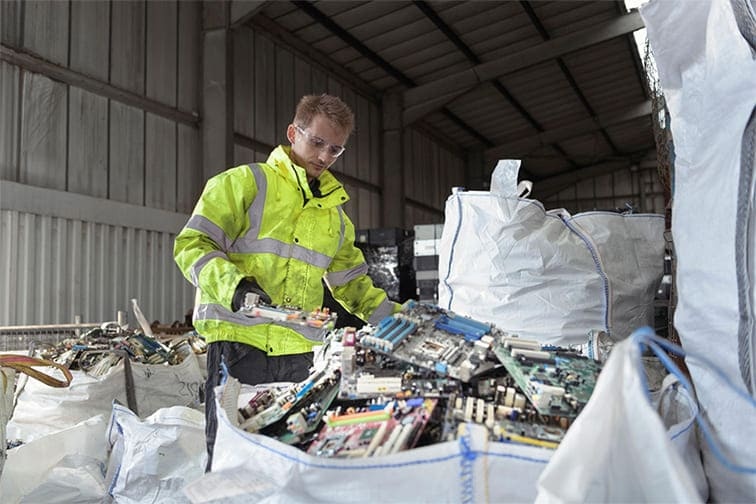
As electronic devices continue to evolve rapidly worldwide, electronic waste (E-Waste) has become one of the fastest-growing solid waste streams globally. Discarded smartphones, computers, televisions, circuit boards, cables, and household appliances contain large amounts of plastics, metals, and reusable resources. At the same time, E-Waste also contains hazardous substances that may cause long-term environmental and health risks if improperly handled. Therefore, E-Waste recycling is not only an environmental responsibility but also a critical part of the global circular economy. Global E-Waste Is Growing Rapidly Driven by consumer electronics, 5G devices, electric vehicles, and smart home technologies, global E-Waste volumes continue to increase rapidly. Shorter product life cycles are creating increasing demand for efficient recycling solutions. Particularly in: Household appliances IT equipment Electrical cables Lithium battery systems Industrial electronic equipment the recycling value of recoverable materials continues to rise. Key Challenges in E-Waste Recycling E-Waste has a highly complex structure composed of metals, plastics, rubber, glass, and electronic components. As a result, recyclers face several technical challenges during processing: 1. Complex Material Composition Different electronic devices contain highly varied structures and materials. Circuit boards, plastic housings, and metal components require completely different processing methods. 2. Difficult Separation of Metals and Plastics Efficient separation of copper, aluminum, steel, and plastics is critical for maximizing material value. 3. Dust and Safety Concerns E-Waste crushing processes may generate dust and hazardous particles. Therefore, recycling systems must include stable, safe, and environmentally friendly designs. Why Are Pre-Treatment Systems So Important? In E-Waste recycling, front-end pre-treatment directly affects downstream separation efficiency and material purity. Efficient pre-treatment systems typically include: Dual-shaft shredders Industrial crushers Magnetic separators Eddy current separators Dust collection systems Conveyor systems Proper pre-treatment significantly improves metal recovery rates while reducing downstream energy consumption. How Streamline Eco Tech Supports E-Waste Recycling Streamline Eco Tech specializes in front-end pre-treatment systems for industrial waste and plastic recycling Their equipment is widely used for: Household appliance recycling WEEE recycling Cable recycling Plastic electronic scrap Industrial electronic waste Compared with traditional systems, Streamline Eco Tech focuses more on: High operational stability Lower energy consumption High-torque shredding Intelligent control systems Modular maintenance design The Resource Value Hidden in E-Waste Many electronic waste materials contain valuable recoverable metals For example: Copper、Aluminum、Gold、Silver、Rare metals. At the same time, engineering plastics such as ABS, HIPS, and PP also have significant recycling value. As global raw material prices continue rising, E-Waste recycling is becoming a high-value industry Smart Automation Is Becoming the Industry Standard The future of E-Waste recycling will focus more on Automated sorting AI recognition systems Intelligent monitoring Energy efficiency High-purity material recovery High-performance shredding and pre-treatment systems will become the foundation of the entire recycling chain Conclusion E-Waste recycling not only reduces environmental pollution but also enables valuable resource recovery. As the global circular economy continues to grow, demand for efficient, stable, and intelligent pre-treatment equipment is rapidly increasing. Streamline Eco Tech is helping recyclers worldwide build more efficient and sustainable E-Waste recycling systems through advanced shredding and crushing solutions
From June 21 to 24, 2026, our company proudly participated in Riyadh International Industry Week 2026, one of the Middle East’s premier industrial exhibitions, held at the Riyadh International Convention & Exhibition Center (RICEC), Saudi Arabia. As a key part of the event, the Saudi Plastics & Petrochem Exhibition brought together leading manufacturers, technology providers, and industry professionals from around the world, covering plastics, petrochemicals, industrial manufacturing, packaging, logistics, and advanced production technologies. As a comprehensive recycling equipment integrator, plastic recycling system solution provider, and manufacturer of plastic auxiliary machinery, our company exhibited at Booth No. 1-926, presenting advanced recycling technologies and integrated solutions for the plastics recycling industry. Our participation further strengthened our presence in the Middle East and demonstrated our commitment to supporting the global transition toward a circular economy. Innovative Technology Attracted Strong Interest from International Visitors Throughout the four-day exhibition, our recycling equipment attracted considerable attention from visitors across Saudi Arabia, the United Arab Emirates, Qatar, Kuwait, Oman, Bahrain, Egypt, Jordan, Turkey, India, and several African countries. Expanding Our Global Presence Participating in Riyadh International Industry Week 2026 not only strengthened our brand recognition in the Middle East but also created valuable opportunities to establish new partnerships with regional recycling companies, plastic manufacturers, and industrial investors. We sincerely thank every customer, partner, and industry professional who visited Booth No. 1-926 during the exhibition. We look forward to building long-term partnerships with customers around the world and working together to promote the global development of plastic recycling and the circular economy.
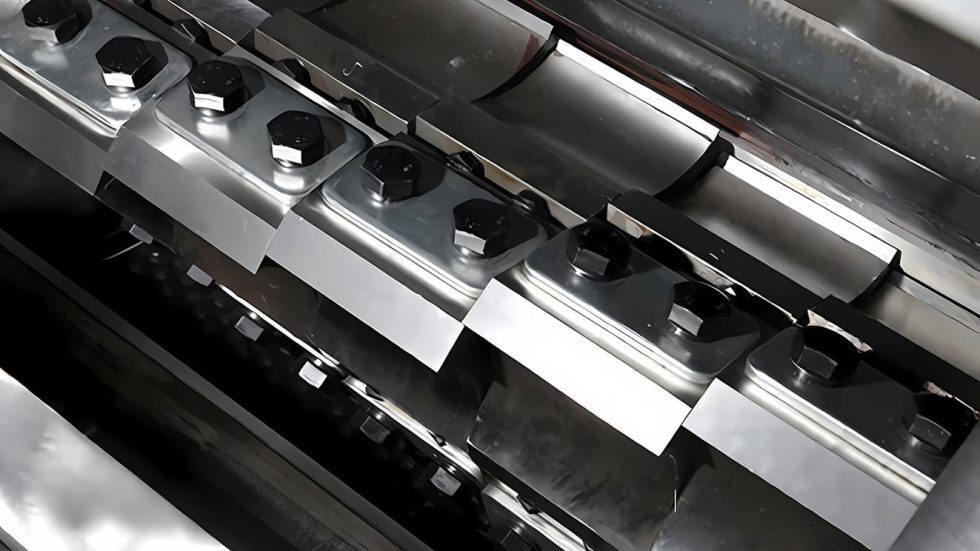
The global production of plastic products has exceeded 400 million tons annually, with injection molding widely applied in the automotive, electronics, packaging, and medical industries. During injection molding, large volumes of sprue and runner waste are generated. Without efficient recycling, these materials not only lead to resource waste but also increase solid waste disposal costs and environmental burdens. The core of constructing a “zero-waste injection molding factory” lies in developing an advanced internal recycling system for sprue waste. Current global research trends emphasize closed-loop recycling and zero-waste manufacturing as key pathways toward sustainable industrial transformation. Characteristics of Injection Molding Waste and Recycling Requirements Sprue waste generated in injection molding processes exhibits the following characteristics: Diverse material compositions (ABS, PP, PC, PA, etc.) with high reuse potential. Irregular shapes and large volumes requiring preliminary shredding or crushingbefore reprocessing. Minimal contamination, making it ideal for in-factory recycling. Therefore, the primary prerequisite for internal recycling is efficient and stable mechanical preprocessing of sprue waste. Neo Element: Empowering the Zero-Waste Production System Within a zero-waste injection molding plant, shredders and crushers serve as the core components of the recycling system. Shredding and Crushing Modules: Shredder: Designed for bulky or thick-walled sprue waste. Its shaft and blade configuration tears large plastic pieces into medium-sized fragments, providing controlled particle size for subsequent crushing. Single-shaft shredders offer high torque, low energy consumption, and strong adaptability. Slow Speed Crusher (Granulator): Robotic arms automatically feed sprues into the crusher adjacent to the injection molding machine. After shredding, the crusher reduces materials to a size of 5–8 mm. Using a Roots blower, the regrind can be directly conveyed into the injection machine for reuse. Two Stage Recycling Integration: A dedicated crushing room can be established in the facility for centralized waste storage and processing. Single-shaft shredders and crushers are arranged in a two-stage modular configuration, connected via automatic conveyors to form a continuous processing line. After dehumidifying and drying, the recycled granules can be blended with virgin materials in controlled ratios for reinjection, achieving zero sprue discharge. Modern recycling lines can also integrate dust removal and acoustic insulation systems to ensure a clean and quiet production environment. System Planning and Management Essentials Modular Layout: Design crushing, conveying, storage, and drying units as modular subsystems for ease of maintenance and scalability. Material Traceability: Utilize MES or ERP systems to record recycling batches and regrind ratios, ensuring traceable and consistent quality. Energy and Safety Optimization: Match motor power between shredders and crushers, apply variable frequency drives, and incorporate jam-prevention sensors. Intelligent Energy Management: Implement AI-based monitoring and remote control of the cooling water system. During winter, waste heat from equipment can be transferred to heating-demand areas or reused for indoor climate control, enabling energy recirculation within the plant. From Waste to Value: The Sustainable Path of Injection Molding Neo Element provides comprehensive, customized zero-waste injection molding factory solutions for global manufacturers. Building a zero-waste facility is not only an environmental obligation but also a strategic move toward higher competitiveness and sustainable growth in the plastics industry. Through the scientific planning of internal recycling systems for sprue waste—and the optimal configuration of high-efficiency shredders and crushers—manufacturers can achieve maximum material utilization and significant cost reduction, realizing both economic and environmental benefits while advancing toward the vision of green and intelligent manufacturing.
With the continuous growth of the global population and rising consumption levels, textile production and the generation of textile waste have increased significantly worldwide. Mixed textile products—composed of multiple fiber types such as cotton, polyester, and nylon—are particularly difficult to recycle due to their complex material composition. Conventional recycling pathways are often limited to low-value applications or landfill disposal. When waste textiles are directly landfilled, valuable resources are lost and additional environmental pollution may occur. In recent years, Refuse-Derived Fuel (RDF) has emerged as an important solution for solid waste valorization. RDF enables high-calorific-value waste streams, including waste textiles, to be converted into alternative fuels that partially replace coal, offering a practical pathway for the “remolding and regeneration of discarded fibers.” Fundamental Concept of RDF and the Reutilization of Textile Waste RDF (Refuse-Derived Fuel) refers to combustible materials extracted and upgraded from municipal solid waste or industrial solid waste through pretreatment processes such as sorting, crushing, drying, and forming. RDF is widely used as an alternative fuel in high-temperature industrial systems, including industrial boilers and cement kilns. Its primary components include paper, plastics, and textiles with relatively high calorific values. Waste textiles, especially mixed-fiber textile residues, contain a high proportion of combustible fibers and are therefore considered ideal feedstocks for RDF production. During the RDF preparation process, industrial shredders serve as core equipment, effectively reducing bulky, entangled textile materials into suitable particle sizes. This size reduction significantly improves downstream separation efficiency and combustion performance. Process Flow for Shredding Mixed Waste Textiles into RDF The preparation of RDF involves multiple processing stages: Collection and Pre-Sorting Waste textiles are collected and subjected to manual or mechanical pre-sorting to remove non-combustible materials such as metals, plastic fasteners, rubber components, and other contaminants. Shredding shredders are used to cut and tear textile materials into smaller fragments or flakes. This process disperses fibers and reduces volume, facilitating subsequent separation and drying. Depending on material characteristics and capacity requirements, single-shaft shredders, dual-shaft shredders, or combined shredding systems may be employed to achieve the desired particle size distribution and throughput. Separation and Impurity Removal Technologies such as magnetic separation, eddy current separation, and air classification are applied to remove ferrous and non-ferrous metals as well as non-combustible fractions with unsuitable density, thereby improving RDF purity and calorific value. Drying and Moisture Control Drying systems are used to reduce the moisture content of the shredded material, typically to below 20%, which significantly enhances calorific value and combustion efficiency. Forming Process (Optional) The pretreated textile fractions may be compressed into RDF fuel pellets or briquettes, improving transportability, storage stability, and combustion consistency. Final Product Quality Control Key parameters such as calorific value, particle uniformity, and impurity content are analyzed to ensure that the RDF meets the requirements of specific industrial combustion applications. Key Equipment Required for RDF Preparation and Application Process Stage Key Equipment Primary crushing / shredding Dual-shaft shredders, single-shaft shredders Separation and impurity removal Magnetic separators, eddy current separators, air classifiers Drying Hot-air dryers, rotary drum dryers Secondary size reduction Fine crushers, secondary shredders Forming RDF briquetting machines, pelletizers Conveying and monitoring Conveyor belts, screening machines, online monitoring systems Crushers and shredders occupy a central position in the entire RDF production line, as they directly determine particle size distribution, separation efficiency, and the stability of downstream combustion performance. Calorific Value and Energy Potential of RDF The calorific value of RDF is a critical indicator of its energy potential. Variations in feedstock composition and processing intensity result in different calorific ranges: Typical RDF exhibits a higher heating value in the range of 11–20.5 MJ/kg (≈2600–4900 kcal/kg)or even higher, depending on composition. When textile waste is blended with high-calorific components such as plastics, the overall heating value can be significantly enhanced. Studies indicate that textile-based RDF can reach or exceed 4500 kcal/kg (≈18.8 MJ/kg). Additional drying and forming processes further improve combustion stability and energy density. As a result, RDF can partially replace coal and other conventional fossil fuels in cement kilns, industrial boilers, and power generation facilities, contributing to reduced carbon emissions and lower consumption of virgin energy resources. Economic and Environmental Value of RDF Economic Value RDF increases the energy value of waste materials, creating new revenue streams for recycling and waste management industries. It demonstrates strong market potential for absorbing large volumes of industrial textile waste, waste paper, and plastic fractions with high calorific value. Substituting coal with RDF reduces fuel procurement costs while simultaneously lowering landfill disposal expenses. Environmental Value RDF reduces the volume of solid waste sent to landfills or direct incineration, improving overall resource circularity. Partial replacement of fossil fuels helps reduce CO₂ emissions and other air pollutants. The integration of advanced sorting and thermal treatment technologies can further reduce the formation of harmful substances such as dioxins. Expansion of RDF Feedstock Sources In addition to waste textiles, common RDF feedstocks include: Combustible fractions of municipal solid waste: cardboard, plastic packaging, and similar materials. Industrial solid waste: waste paper, rubber fragments, leather offcuts, and production residues. Biomass waste: agricultural straw and forestry residues, which can be co-processed with textile waste to produce more stable RDF blends. Bulky waste: dismantled combustible components from furniture, mattresses, and similar items. The utilization of diversified feedstock sources not only reduces the overall carbon footprint but also enhances the adaptability and competitiveness of RDF across different combustion systems. Streamline Eco Tech is committed to delivering end-to-end, customized RDF solutions, supporting industries in transforming complex textile waste streams into stable, high-calorific alternative fuels.
Search